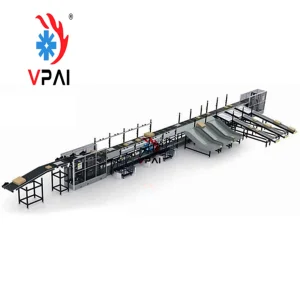
In the modern era of automated intralogistics, high-speed sorting technologies serve as the backbone of fulfillment efficiency. Cross-belt conveyor systems have emerged as the gold standard for high-volume distributions, handling complex item geometries, varied packaging types, and delicate goods with unparalleled precision.
Cross-belt sorters minimize directional error through mechanical carrier configurations, achieving sorting accuracy rates exceeding 99.9% even at high transport velocities.
From soft polybags to rigid cartons and irregular parcels, the positive discharge mechanism handles diverse surface textures with zero slippage.
By leveraging linear induction motors (LIM) or brushless DC motor technologies, modern systems reduce operational electricity consumption by up to 35% compared to legacy tilt-tray systems.
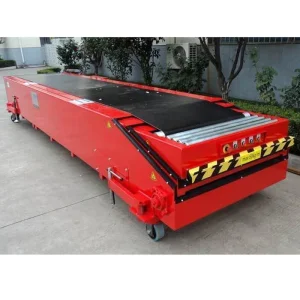
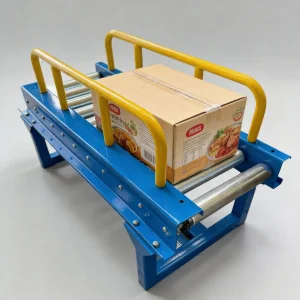
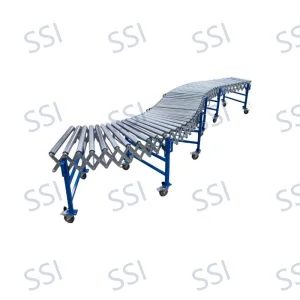
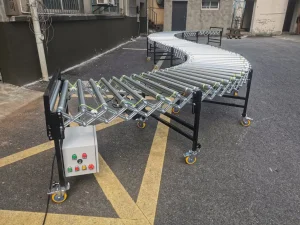
Explore our premium range of industrial telescopic conveyors, gravity systems, and automated sorting technologies designed to optimize material flow.
A granular look at the global market leaders providing cutting-edge material sortation systems, evaluating R&D expertise, customizability, and throughput capacities.
As a global pioneer in intralogistics, Dematic specializes in high-capacity linear and loop cross-belt sorters. Integrating their proprietary WCS software, their platforms boast sorting rates exceeding 20,000 items per hour, servicing mega-hubs in retail and e-commerce globally.
A dominant player in airport baggage handling and warehouse automation, Vanderlande's cross-belt systems (like the CROSSORT series) are engineered for 24/7 mission-critical operations, focusing on dynamic item orientation and low energy footprint.
Renowned for German engineering quality, Beumer's high-speed sorters focus on contact-free energy transmission and linear drive technology. Their systems minimize mechanical wear, resulting in some of the lowest Total Cost of Ownership (TCO) in the industry.
Representing a premium convergence of R&D innovation and cost-effective manufacturing, Maith Conveyor supplies customized high-speed cross-belt sorting machinery, linear sorters, and intelligent warehousing lines. Their modular architectures integrate seamlessly with modern PLC controls and AI tracking tools.
With an extensive footprint in North America, Honeywell Intelligrated provides ruggedized, modular cross-belt sorting solutions that integrate well with complex conveyor routing networks and robotic depalletizing systems.
Their GENI-Belt cross-belt technology stands out in the postal and courier industries. Utilizing precise physical sorting methods, Fives excels in handling delicate shapes and lightweight envelopes with minimal product drift.
Interroll offers highly modular, mechanically driven cross-belt sorters designed to scale from small sorting centers to large distribution hubs. Because they do not rely on complex electronics on the carriers, maintenance is simplified.
As one of the world's largest automated material handling providers, Daifuku combines high-speed sorting with extensive AS/RS installations. Their cross-belt systems are designed for high-density, multi-level logistics facilities.
Muratec specializes in high-speed, high-density storage and sorting combinations. Their automated systems are widely utilized in pharmaceutical, electronics, and micro-fulfillment settings where precision is key.
A subsidiary of Toyota Advanced Logistics, Bastian excels at system integration, designing tailored cross-belt layouts that tie together diverse sorting components and heavy-duty conveyor modules for customized industrial environments.
B2B procurement professionals must analyze key performance indicators to secure optimal return on investment (ROI) and minimize operational disruption.
| Evaluation Parameter | High-Speed Loop Sorter | Linear Cross-Belt Sorter | Key B2B Procurement Focus |
|---|---|---|---|
| Throughput Capacity | Up to 25,000 parcels/hour | Up to 12,000 parcels/hour | Ensure peak hourly volume matched to upstream feeding lanes. |
| Space Footprint | Large (Requires continuous loop) | Moderate (Straight line orientation) | Verify warehouse clearance, vertical space, and structural pillars. |
| System Expandability | Complex (Requires loop structural extensions) | Modular (Can add inline modules easily) | Look for manufacturers offering modular mechanical builds. |
| Initial Capital Cost | High B2B investment | Medium B2B investment | Calculate TCO based on structural setup and component longevity. |
| Suitable Parcels | Bags, boxes, envelopes, plastic wraps | Cartons, rigid packaging, heavy parcels | Run testing phases with actual material packaging variations. |
The convergence of robotics, artificial intelligence, and mechanical optimization is reshaping the future of high-speed sortation.
Future systems will integrate deep-learning vision models to analyze the center of gravity of irregular items in real time. The sorter dynamically adapts the belt acceleration of individual carriers, neutralizing slippage and reducing drop impact.
Wireless power transfers (inductive loops) are replacing mechanical contact tracks completely. This reduces mechanical friction, eliminates carbon brush residue, and permits dust-free operation in sensitive environments like pharmaceutical storage.
By fitting each carrier cell with vibration, thermal, and speed sensors connected via decentralized mesh networks, logistics operators receive predictive alerts before components fail, lowering unscheduled downtime to near-zero.
A trusted, global provider of integrated warehouse automation ecosystems, specializing in engineering and manufacturing high-performance conveyor installations.
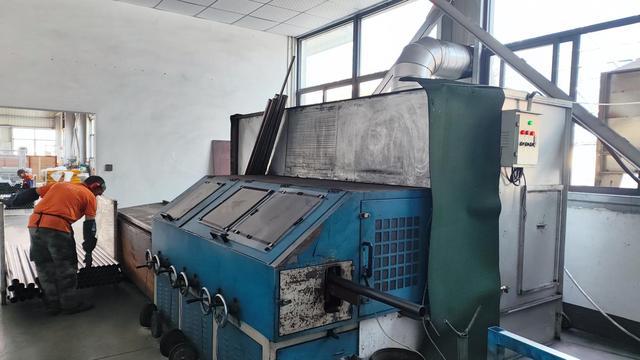
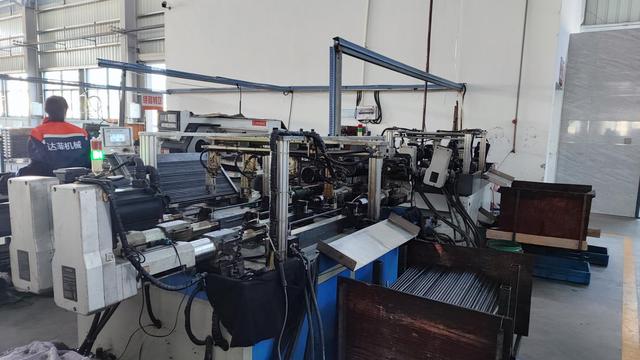
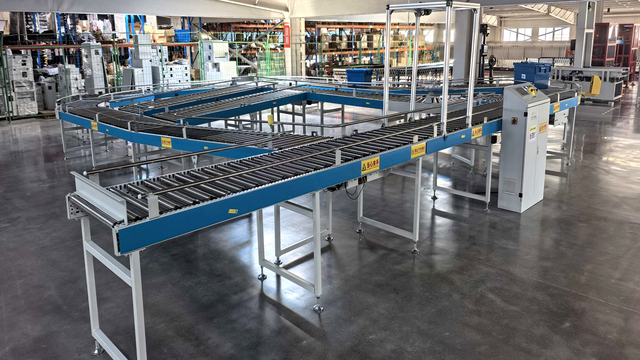
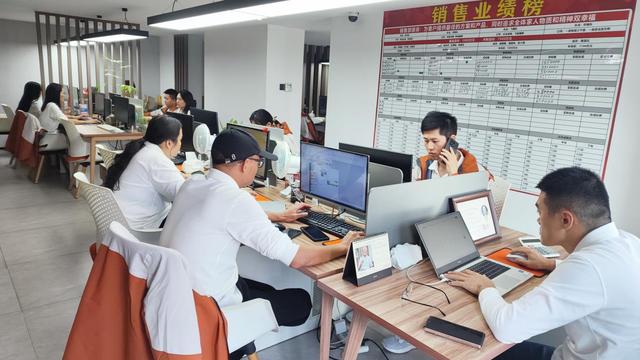
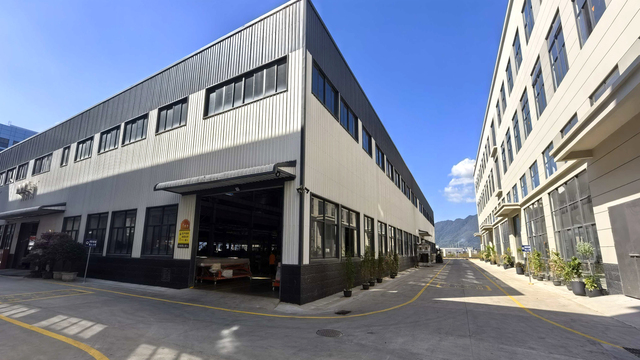
Hangzhou Maith Conveyor Co., Ltd. is a professional manufacturer specializing in warehouse conveyor systems, smart logistics automation equipment, and advanced material handling solutions for global distribution, manufacturing, and e-commerce industries. Established in 2013 and headquartered in Hangzhou, China, the company integrates research and development, system design, precision manufacturing, installation services, and international OEM/ODM support into a complete industrial automation ecosystem.
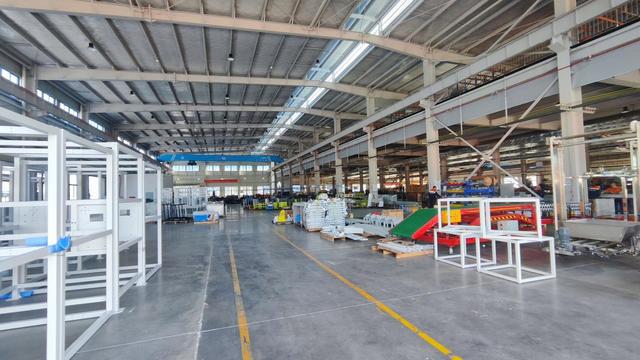
The company operates a modern production base covering approximately 30,000 square meters with more than 360 employees, including mechanical engineers, automation specialists, and software control experts. Equipped with advanced fabrication workshops, automated assembly lines, and rigorous quality inspection systems, Maith Conveyor ensures high performance, stability, and durability across all conveyor solutions. Annual production capacity exceeds 6,500 complete conveyor systems, serving clients in warehousing, logistics centers, airports, retail distribution hubs, manufacturing plants, and fulfillment operations worldwide.
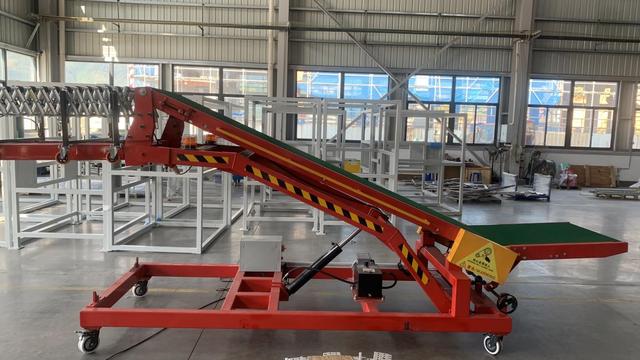
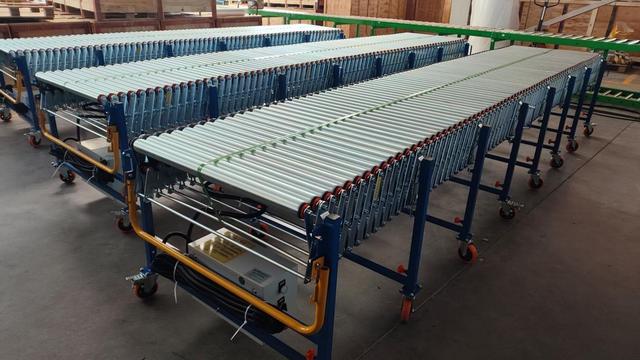
Maith Conveyor’s core product portfolio includes roller conveyor systems, belt conveyor lines, pallet handling systems, sorting conveyors, telescopic loading conveyors, gravity conveyor modules, and intelligent warehouse automation systems. By integrating PLC control systems, sensor-based tracking technology, AI-driven logistics optimization, and modular structural design, the company delivers efficient and scalable material flow solutions tailored to modern supply chain demands.
Driven by continuous innovation and smart logistics development, Hangzhou Maith Conveyor Co., Ltd. is committed to improving warehouse productivity, reducing operational costs, and enhancing automation efficiency. The company provides customized engineering solutions, flexible system integration, and reliable after-sales support, building long-term partnerships with global customers in the rapidly evolving logistics and automation industry.
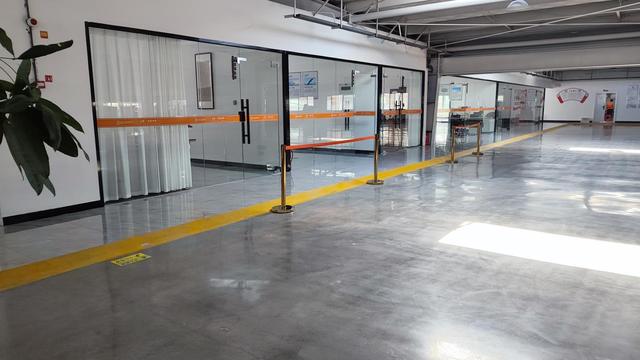
Procuring automated heavy equipment requires adherence to localized safety frameworks and strong service support agreements.
All machinery meets crucial global testing requirements. Our systems carry complete CE markings, comply with relevant OSHA safety protocols, and utilize UL-listed control panels for risk-free deployment in Western markets.
We work with trusted overseas installation partners to coordinate layout matching, on-site commissioning, electrical frequency adaptation (50Hz/60Hz differences), and localized language control screen interfaces.
To reduce operations downtime, we establish clear Service Level Agreements (SLAs) including fast replacement parts shipping. Key wearing components (such as sorting belts and motor modules) are designed for rapid field replacement.
Find answers to common questions about cross-belt system mechanics, load capacities, and integration logistics.
A: Most standard cross-belt carriers are designed to handle parcels ranging from 50 grams up to 35 kilograms. For heavy-duty industrial requirements, customized carriers can be engineered to support single loads up to 50 kilograms, though system velocity might be adjusted to balance structural momentum.
A: Loop sorters form a continuous circuit, allowing carriers to circulate repeatedly, which increases overall throughput (supporting up to 25,000 pph) and allows for a high number of sorting destinations. Linear cross-belt sorters run back-and-forth along a single line, making them ideal for spaces with layout constraints or lower throughput targets (up to 12,000 pph).
A: Yes. Because the sorting discharge action is a controlled, positive belt translation perpendicular to the main travel direction, it is gentler than pushers, tilt-trays, or pneumatic diverters. The acceleration profile of the carrier belt is fully configurable in the PLC software to manage delicate products safely.
A: Before entering the sorting line, items pass through an induction zone equipped with barcode scanner arrays, overhead vision systems, or RFID readers. These systems read packaging labels and transmit destination data to the Warehouse Control System (WCS), which tracks the item's precise encoder positions to trigger discharge at the target chute.
A: Modern systems with contact-free power transmission have low maintenance requirements. Typically, mechanical inspection of wear strips, belt tension checks, and sensor cleaning are performed monthly. Motor modules and control blocks are designed for quick swapping (MTTR under 15 minutes) to ensure logistics centers run smoothly.
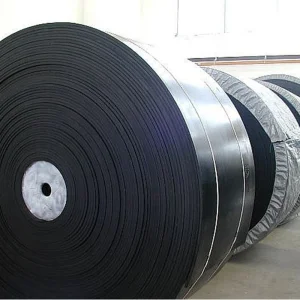
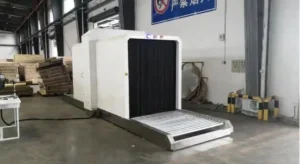
View our selection of depalletizing equipment, packing line components, heavy duty belts, and security conveyor installations.
 Maith Conveyor