Warehouse safety is a crucial concern in today’s fast-paced logistics environment. According to a report from the U.S. Bureau of Labor Statistics, approximately 4,700 workers died in workplace accidents in 2020. Many of these incidents occurred in warehouses, highlighting the need for improved safety measures. Can conveyor systems improve safety in warehouses? The answer lies in their ability to automate the movement of goods, reducing manual handling and the associated risks.
Conveyor systems minimize the need for employees to lift heavy items, which is a common cause of injuries. Reports indicate that overexertion leads to 33% of workplace injuries. By streamlining processes, these systems cut down on trips and falls, which account for 15% of all accidental deaths. Advanced conveyor technologies also include safety features like emergency stops and guards, enhancing the safety of operations.
Despite these advantages, the implementation of conveyor systems requires careful planning. Poorly designed systems might create bottlenecks or increase the risk of injury if employees are not properly trained. Therefore, while conveyor systems have the potential to significantly improve warehouse safety, their effectiveness depends on thoughtful integration and continuous assessment.
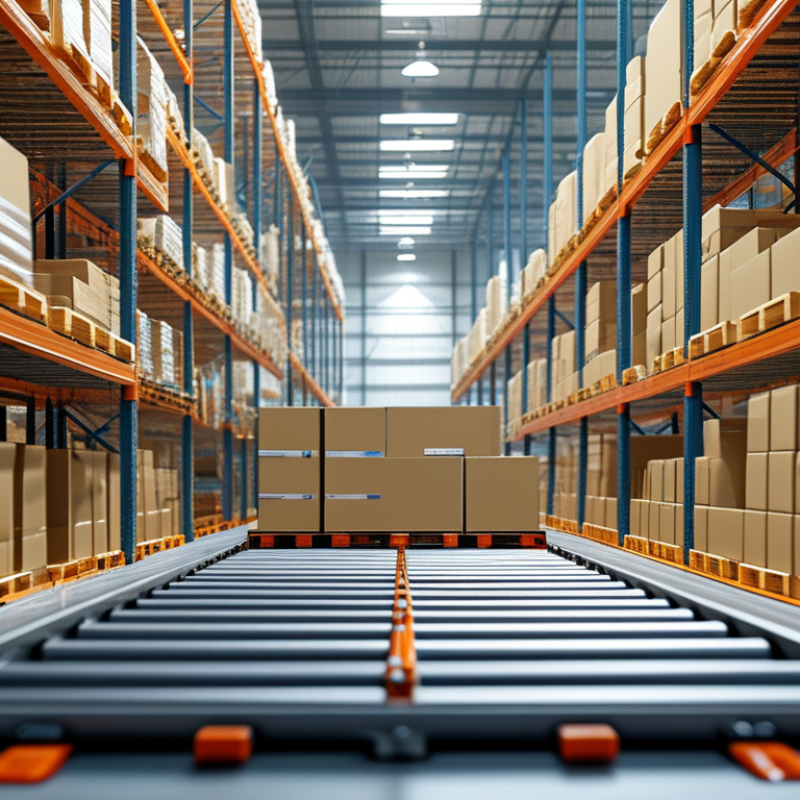
Conveyor systems play a vital role in enhancing warehouse operations. They streamline the movement of materials, reducing manual handling. According to the Material Handling Institute, automated systems can improve efficiency by over 30%. This increase is essential in meeting growing e-commerce demands.
Safety in warehouses is paramount. A study from the Occupational Safety and Health Administration (OSHA) highlights that efficient systems can cut accident rates by approximately 25%. Workers benefit from reduced fatigue when conveyors handle heavy loads. This automated process decreases the risk of workplace injuries linked to labor-intensive tasks.
However, implementing conveyor systems requires thoughtful planning. They can introduce new hazards if not properly maintained. Regular inspections are vital for ensuring safe operations. Employees must also receive training on how to work alongside these systems effectively. Ultimately, success depends on balancing efficiency with safety measures.
Traditional warehouse operations involve various safety risks that can lead to serious incidents. According to a report by the National Safety Council, over 200,000 warehouse workers are injured annually in the United States. Common injuries stem from slips, falls, and heavy lifting. Employees often navigate cluttered aisles, increasing the likelihood of accidents. The lack of efficient material handling raises concerns about worker safety.
Conveyor systems can significantly mitigate these risks. By automating the movement of goods, conveyors reduce the need for manual handling. This decreases the chances of lifting-related injuries. Statistics reveal that automated systems lead to a 50% drop in workplace accidents in well-integrated warehouses. Furthermore, conveyor systems streamline operations, allowing for clear pathways. This leads to less congestion and minimizes the hazards associated with moving equipment and people.
However, implementing conveyor systems isn't without challenges. Initial costs and maintenance can be daunting for some warehouses. Regular training is also necessary to ensure all employees are familiar with the new systems. Companies must reflect on these factors to fully realize the safety benefits conveyor systems can provide. Balancing investment with worker safety is critical for sustainable operations.
Conveyor systems play a crucial role in enhancing ergonomics within warehouses. Properly designed systems can minimize manual handling, which reduces fatigue and the risk of injuries. According to a report from the National Institute for Occupational Safety and Health (NIOSH), ergonomic improvements can reduce workers' compensation claims by as much as 40%. This highlights the direct impact of conveyor systems on workplace safety.
Implementing conveyors can streamline the movement of heavy items, allowing employees to focus on less strenuous tasks. In fact, research shows that ergonomic adjustments can boost productivity by 25%. Workers spend less energy on moving goods and more on value-added activities. However, not all systems are created equal. It's essential to ensure the conveyor is well-suited to the warehouse's specific needs to avoid potential inefficiencies.
Tips for improving ergonomics with conveyor systems include regularly training employees on safe usage. Also, consider the height and alignment of conveyors. They should match the natural range of motion for the workforce. Effective layout can reduce unnecessary twisting or reaching. Regular assessments can pinpoint areas needing attention. Overall, proper conveyor systems are a vital investment for enhancing warehouse ergonomics and employee safety.
Conveyor systems are essential for enhancing safety in warehouses. By improving visibility, these systems can significantly reduce accidents. Properly designed conveyors allow workers to see their surroundings clearly. This visibility helps prevent collisions and enhances overall workflow.
One key tip for improving safety with conveyor design is to ensure adequate lighting. Bright, even lighting reduces shadows and makes it easier to spot potential hazards. Another consideration is the height of the conveyor. Keeping it at an ergonomic level prevents workers from straining to reach items, which reduces the likelihood of injuries.
Also, consider adding safety barriers around conveyor systems. These barriers protect workers from getting too close while allowing easy visibility of moving items. Regular inspections and maintenance are crucial. Malfunctioning equipment can lead to severe accidents. Addressing small issues promptly can prevent larger problems later on.
Implementing conveyor systems in warehouses requires careful consideration of safety regulations. Operators must follow standard protocols to ensure a safe working environment. For instance, proper signage should clearly mark conveyor operation areas. Workers need training on safe loading and unloading practices. This reduces accidents caused by improper handling.
Additionally, regular maintenance checks are vital. They help identify potential hazards like worn belts or misalignments. Personnel should wear appropriate safety gear, including gloves and helmets. Following these guidelines can significantly decrease workplace injuries. However, even with regulations in place, accidents may still occur. It is necessary to encourage an open dialogue about safety concerns among staff.
Incorporating emergency stop buttons along the conveyor route serves as a safety measure. Workers must know how to use them. Furthermore, an emergency response plan should always be prepared. Safety audits can help assess compliance and effectiveness but are often overlooked. Relying solely on these audits, without ongoing training, can create blind spots in safety awareness. Solutions require ongoing reflection and adaptation to changing work environments.
| Safety Enhancement Aspect | Description | Best Practices |
|---|---|---|
| Reduced Manual Handling | Minimizes injuries from lifting heavy items by automating transport. | Use conveyor belts for heavy loads and provide ergonomic training. |
| Improved Workflow | Streamlines the movement of goods, reducing congestion and accidents. | Implement a clear layout for conveyor routes and regular maintenance checks. |
| Enhanced Visibility | Conveyor systems can be designed to have open sightlines, reducing blind spots. | Incorporate transparent materials and proper lighting in the workspace. |
| Emergency Stops | Ready access to emergency stop controls limits risks quickly. | Place emergency stops at regular intervals along the conveyor system. |
| Regular Maintenance | A well-maintained conveyor system reduces malfunction risks that can cause injuries. | Conduct regular inspections and maintenance, addressing wear and tear promptly. |
: Conveyor systems streamline material movement and can improve efficiency by over 30%. They reduce manual handling and fatigue.
Efficient conveyor systems can cut accident rates by around 25%. They reduce fatigue and lower risks of injuries during heavy tasks.
Thoughtful planning is essential. Regular maintenance and inspections are needed to ensure safety and avoid introducing new hazards.
Conveyor systems can reduce manual handling, leading to less fatigue and a 40% decrease in workers' compensation claims.
The conveyor height and alignment should match the workforce's natural range of motion. This reduces strain and improves workflow.
Training helps workers use conveyor systems safely and effectively. It reduces risks and enhances overall operational efficiency.
No, not all systems are effective. They must be suited to the warehouse's specific needs to avoid inefficiencies.
Regular assessments should identify areas needing improvement. They help ensure the systems are functioning safely and efficiently.
Ergonomic adjustments via conveyor systems can boost productivity by 25%, allowing workers to focus on more value-added tasks.
Challenges include potential inefficiencies if the system is poorly designed and the need for ongoing employee training on usage.
Conveyor systems play a crucial role in enhancing warehouse safety by addressing various safety risks associated with traditional operations. By automating the movement of goods, these systems can reduce the physical strain on workers, thereby improving ergonomics in the workplace. Moreover, well-designed conveyor systems enhance visibility and minimize the likelihood of accidents, creating a safer working environment.
In terms of implementation, it is essential to adhere to safety regulations and best practices to maximize the benefits of conveyor systems. Overall, the question of how can conveyor systems improve safety in warehouses is answered through their ability to streamline operations, reduce manual handling, and foster a culture of safety within the workforce.
Maith Conveyor