As industries evolve, warehouse automation stands at the forefront of technological advancement. The growing question is, "what is the future of warehouse automation?" This rapidly changing field is reshaping how goods are stored and distributed. With the rise of artificial intelligence, robotics, and data analytics, warehouses are becoming increasingly efficient. Companies can now automate tasks that once required human labor. This not only cuts costs but also speeds up order fulfillment.
Technologies like autonomous robots and automated storage systems are now commonplace. These advancements promise higher productivity and fewer errors. However, the integration of these systems also presents challenges. Companies must ensure their workforce is trained to work alongside these new technologies. Moreover, the transition can be costly and complex. It requires careful planning and consideration.
The future of warehouse automation is promising but uncertain. While innovations provide significant benefits, they also require reflection on their impact on the workforce and broader industry practices. Continuous learning and adaptability will be key as businesses navigate this evolving landscape. As we explore the top trends in warehouse automation, we must balance efficiency with ethical considerations and the human element in logistics.
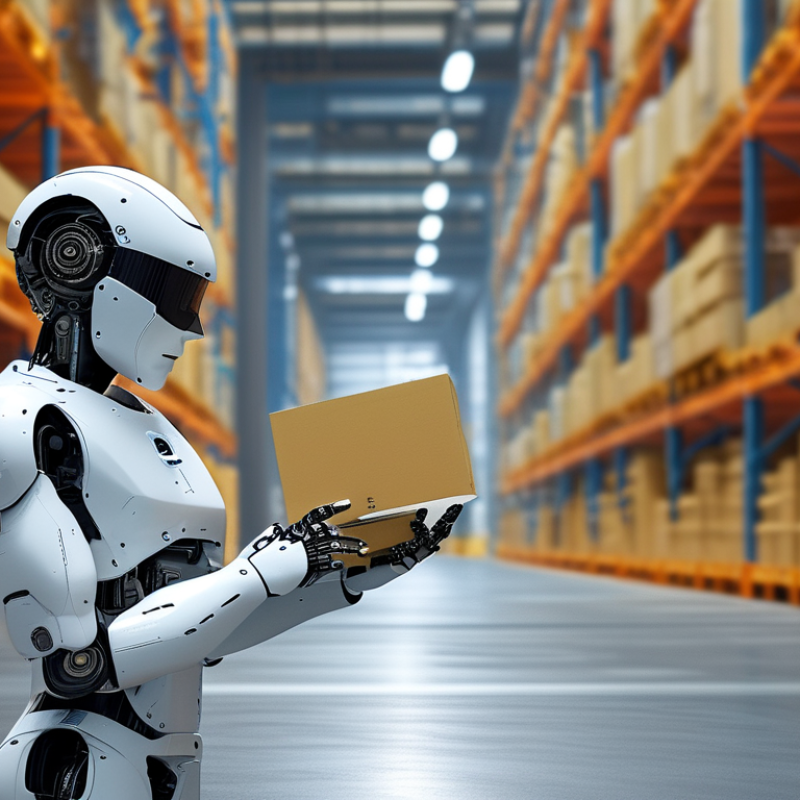
Emerging technologies are reshaping warehouse automation in China. With the rise of e-commerce, efficient logistics is a priority. Robotics play a crucial role in this transformation. Automated guided vehicles (AGVs) are now commonly used to transport goods. They reduce human error and enhance efficiency. However, implementing these systems presents challenges. Integration with existing processes can be complex and costly.
Artificial intelligence (AI) is another key player in this evolution. AI-powered software helps with inventory management and demand forecasting. This leads to better decision-making and resource allocation. Yet, reliance on AI raises concerns about data security. Organizations must navigate these risks while harnessing technology's benefits.
Moreover, IoT (Internet of Things) devices are gaining traction. Smart sensors track product movements in real-time. This improves transparency and reduces delays. However, the investment required for IoT infrastructure can be significant, creating barriers for smaller companies. Continuous learning and adaptation will be necessary for success in this competitive landscape. Balancing technology with human oversight remains crucial for optimum performance.
| Trend | Description | Impact on Efficiency | Implementation Year |
|---|---|---|---|
| Robotic Process Automation | Integration of robots for picking, packing, and sorting tasks. | Increases speed and accuracy of operations by 30% | 2024 |
| Artificial Intelligence | Utilization of AI for warehouse management and inventory forecasting. | Reduces inventory errors by 25% | 2025 |
| Internet of Things (IoT) | Connected devices that provide real-time inventory tracking. | Improves visibility and responsiveness by 40% | 2023 |
| Automated Guided Vehicles | Use of AGVs for material transport within warehouses. | Enhances operational efficiency by 20% | 2024 |
| Cloud Computing | Adoption of cloud solutions for data storage and management. | Facilitates collaboration and reduces infrastructure costs by 15% | 2023 |
| Drones | Use of drones for inventory audits and stock replenishment. | Increases audit speed by 50% | 2025 |
| Augmented Reality | AR applications for training and warehouse navigation. | Enhances training effectiveness by 35% | 2024 |
| Predictive Analytics | Analysis of data trends to enhance decision making in stock levels. | Optimizes stock levels, reducing holding costs by 20% | 2025 |
| Smart Shelving | Shelving systems that can monitor stock levels and manage replenishments automatically. | Improves space utilization by 15% | 2026 |
| Blockchain | Implementation of blockchain technology for transparent supply chain operations. | Enhances traceability and security by 30% | 2026 |
: Robotics enhance efficiency and reduce human error in warehouse operations. Automated guided vehicles (AGVs) transport goods effectively.
AI helps with demand forecasting and resource allocation, leading to better decision-making and efficient inventory management.
Integration with existing processes can be complex and costly for organizations adopting new technologies.
Sustainability minimizes environmental impact and operational costs. Electric vehicles and renewable energy sources contribute significantly.
The significant investment required for IoT infrastructure creates challenges, making it difficult for smaller companies to adapt.
Workers should engage in continuous training to become familiar with robotics and AI, essential for their future roles.
Open communication and mentorship programs can help employees share challenges and ease their adaptation to new technologies.
Data security concerns must be addressed to ensure the safe use of AI in inventory management.
Reflecting on automation efforts and sustainability goals can lead to more responsible and innovative solutions.
The workforce must transition from manual tasks to overseeing technology, requiring new skills and continuous adaptation.
The future of warehouse automation in China is characterized by several key trends that reflect the overarching advancements in technology and operational efficiency. Emerging technologies are revolutionizing the sector, with a significant integration of artificial intelligence into supply chain management. This shift enhances decision-making processes, optimizes inventory management, and improves overall responsiveness to market demands.
Additionally, the impact of robotics on warehouse efficiency and productivity cannot be overstated, as automated systems streamline workflows and reduce human error. Sustainability trends are also pivotal, with a growing emphasis on eco-friendly solutions in automated warehousing. Lastly, the dynamics of the workforce in automated environments will evolve, necessitating new skill sets and adapting to collaboration with intelligent systems. Overall, these trends pose critical considerations for what is the future of warehouse automation, shaping a more efficient, sustainable, and technologically advanced industry.

 Maith Conveyor